NOW OPEN DAILY FROM 9:00AM-5:00PM
789 RIVERFRONT DRIVE, FORT SMITH, AR 72901
The U.S. Marshals Museum tells the story of our nations’ Marshals.
The opening culminates more than 16 years of fundraising, design, construction and installation. In 2007, after a rigorous selection process, the United States Marshals Service (USMS) chose Fort Smith, Arkansas, as the permanent home for its national museum. After that, a diverse group of volunteers, staff, community leaders, and elected representatives from throughout Arkansas and across the nation worked alongside the USMS to build a world-class facility on the banks of the Arkansas River. The U.S. Marshals Museum opened on July 1st, 2023.
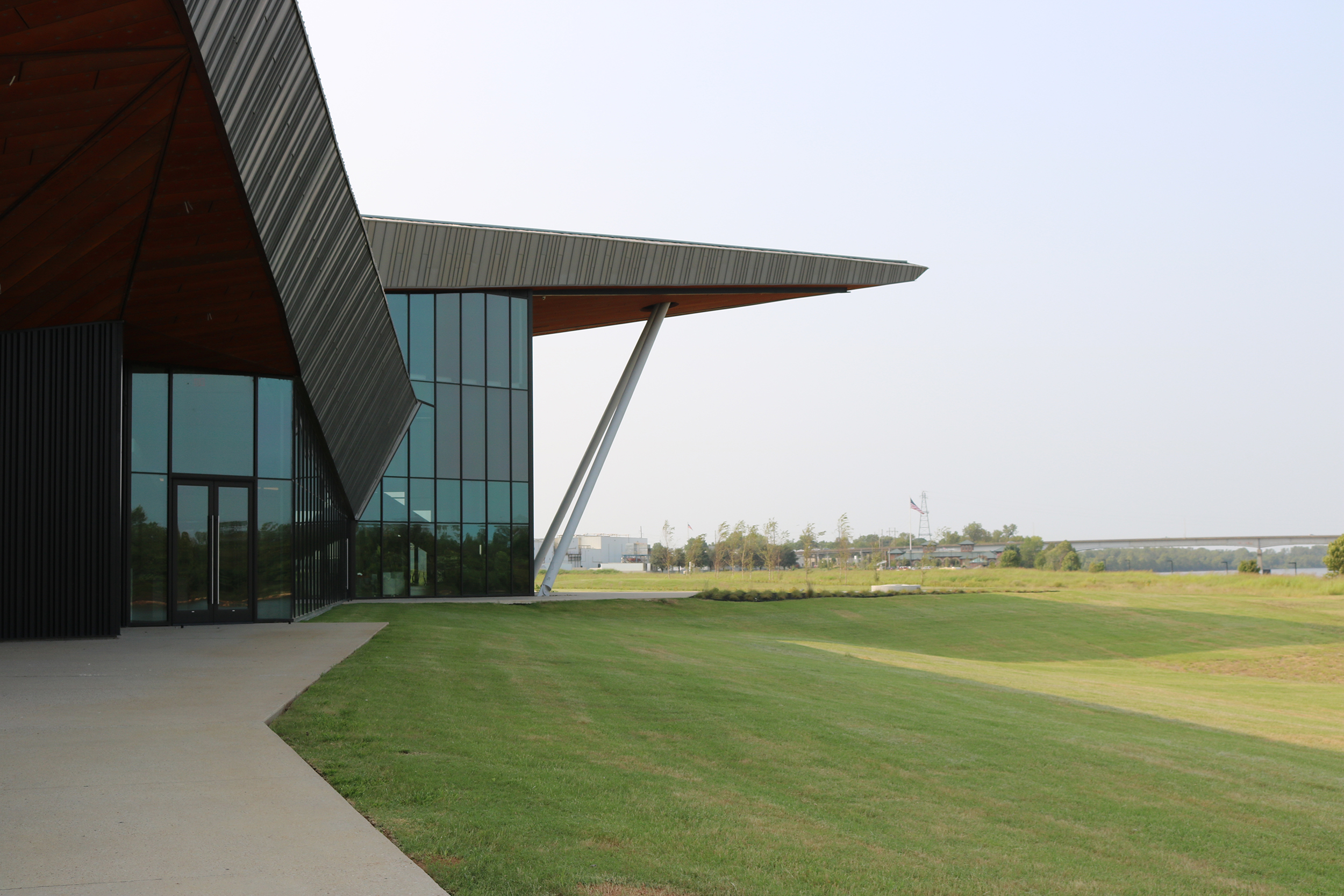
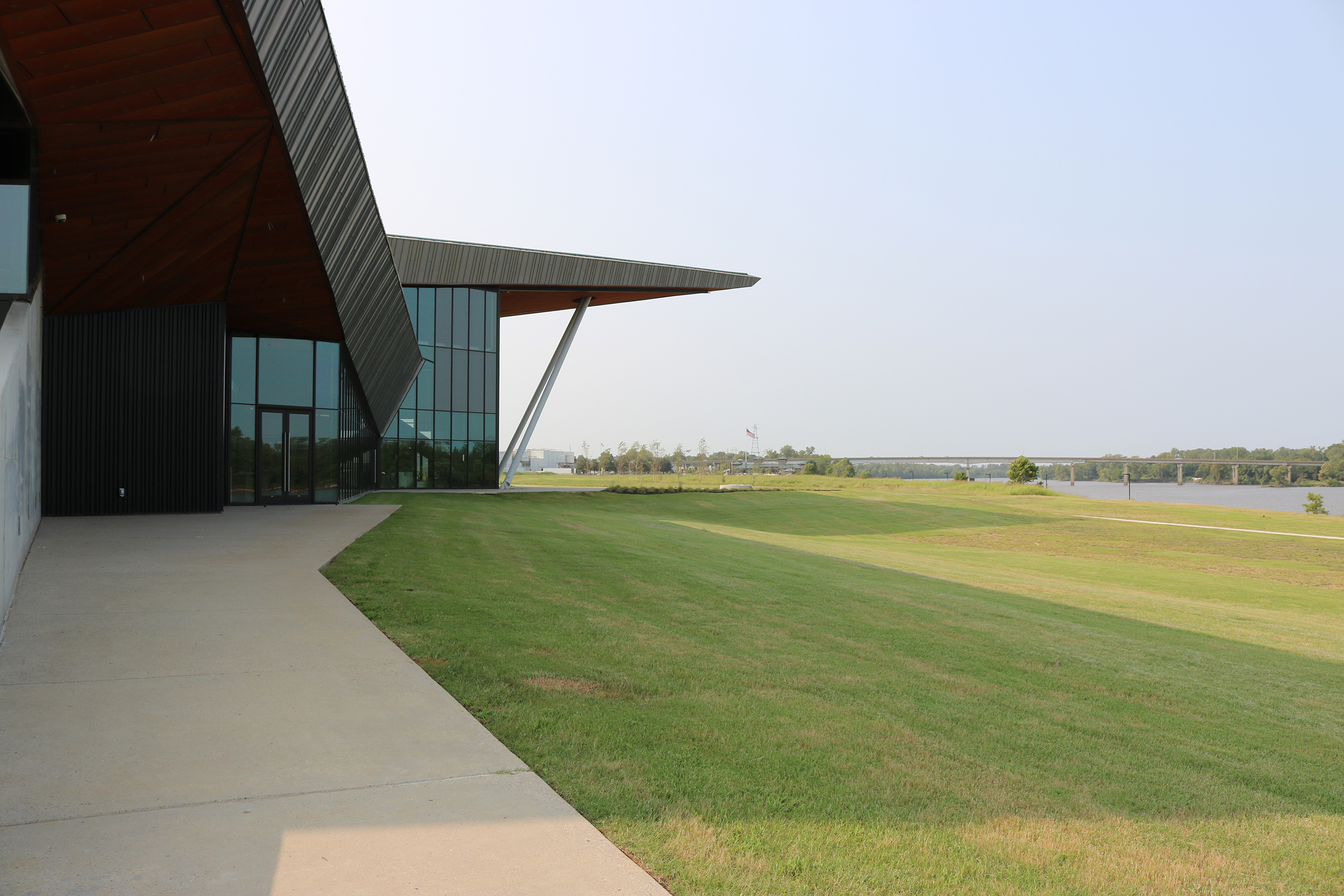
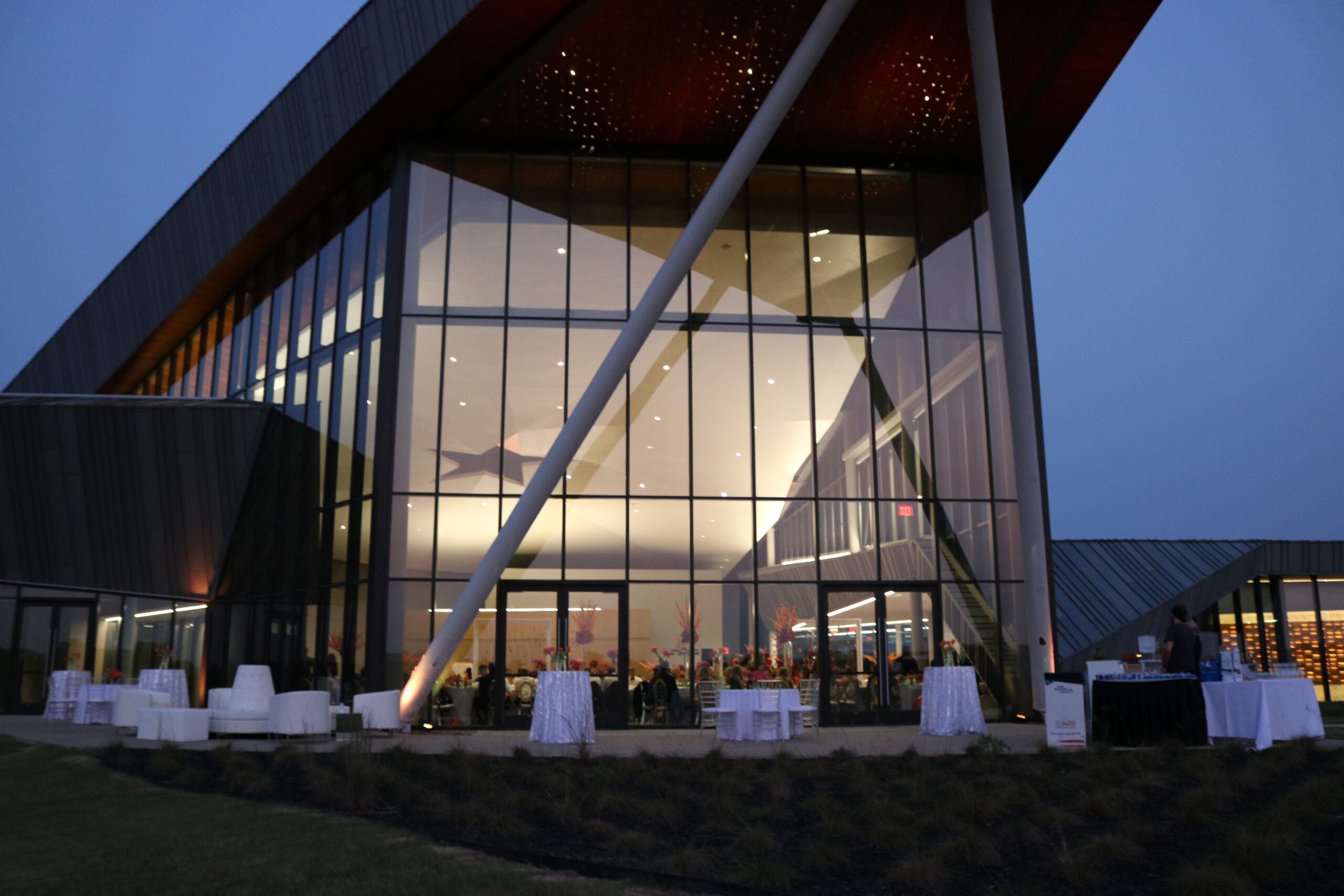
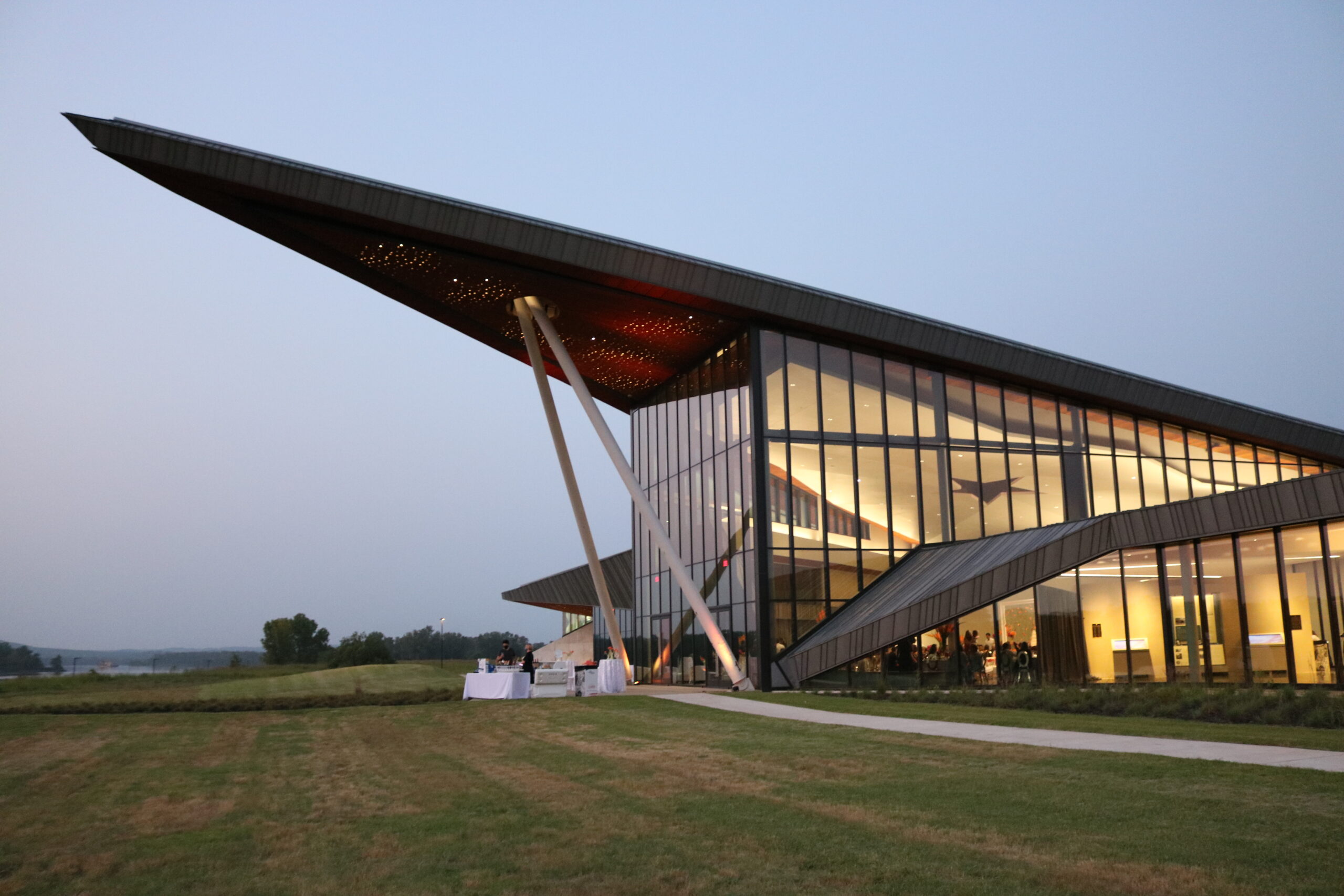
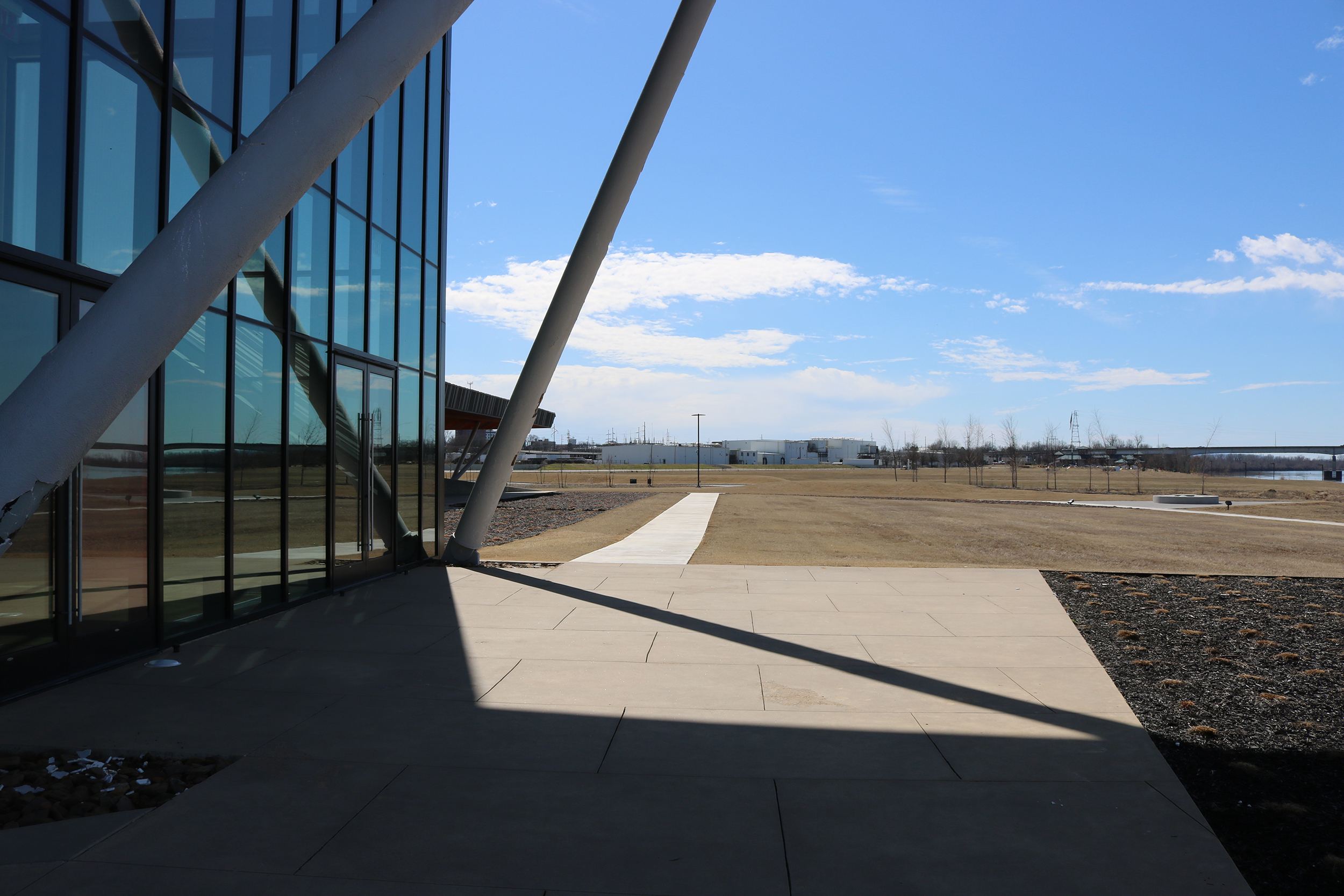
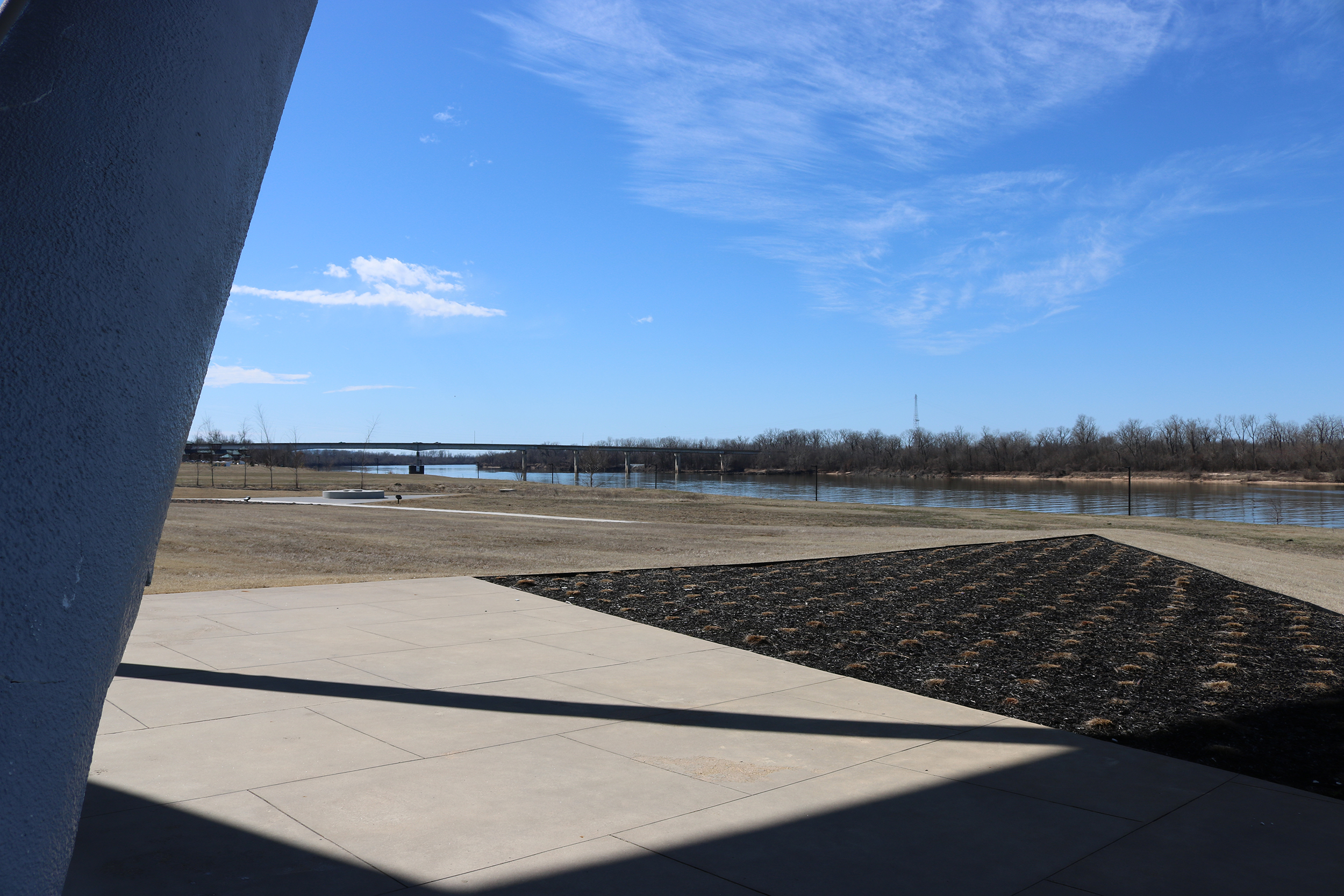
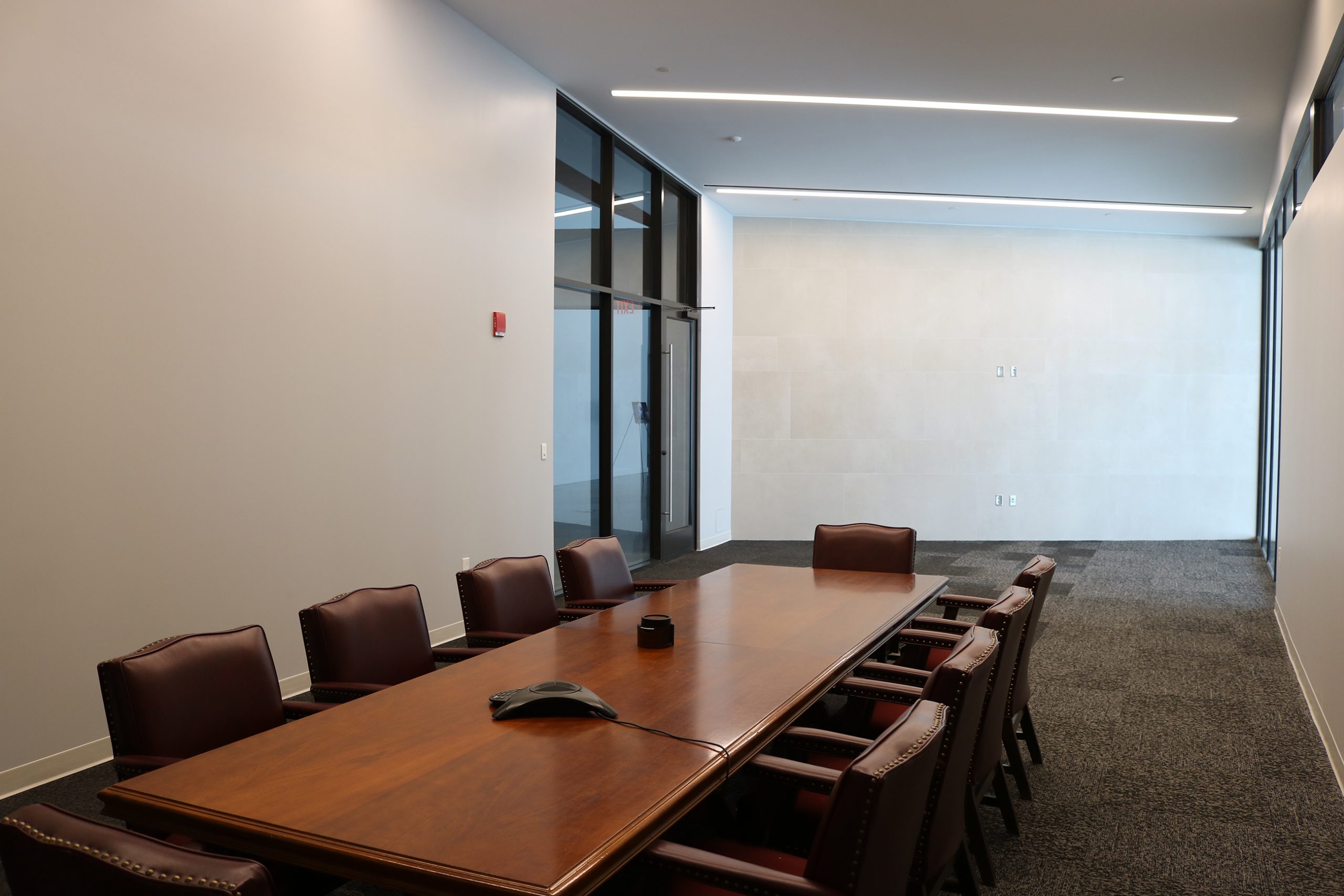
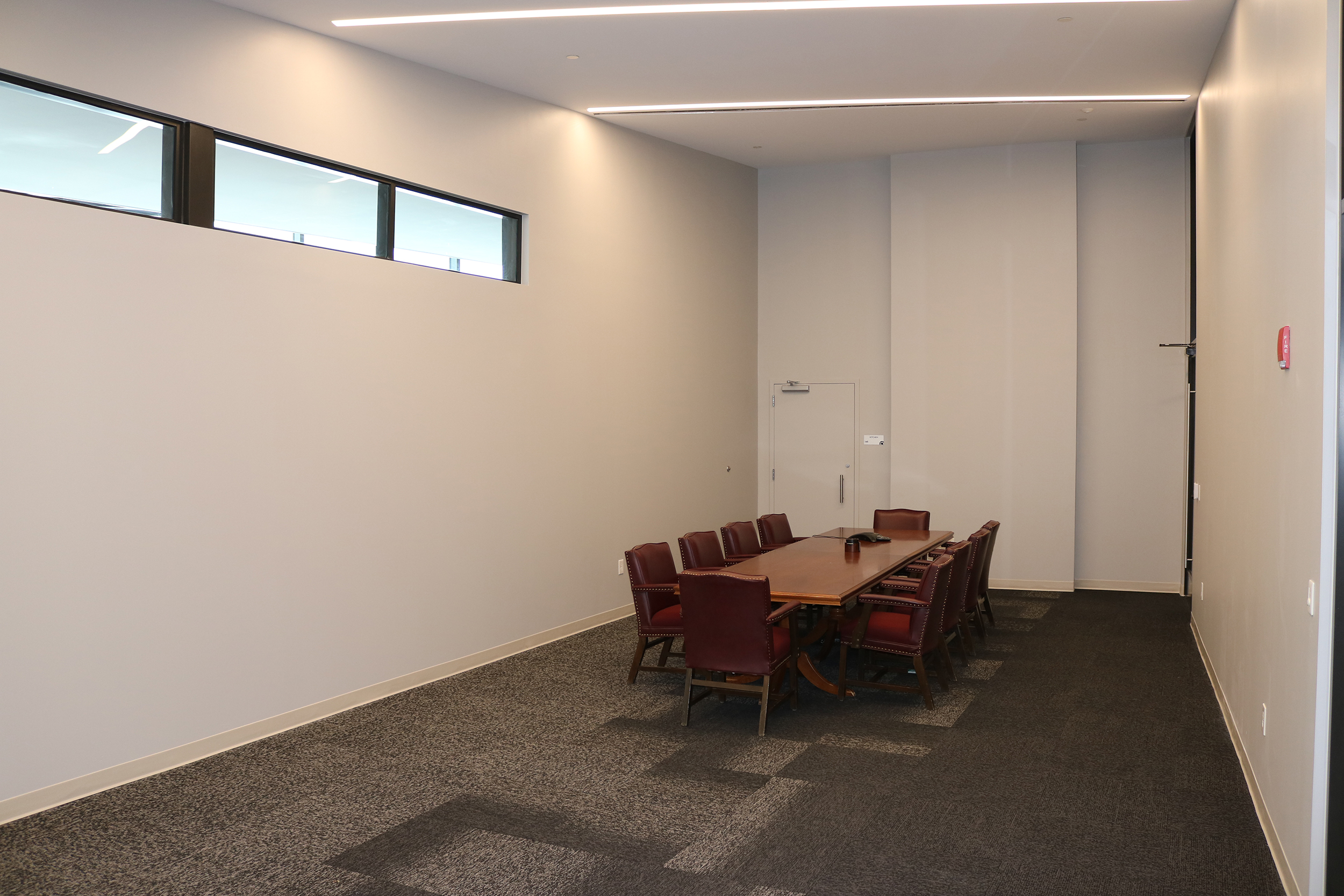
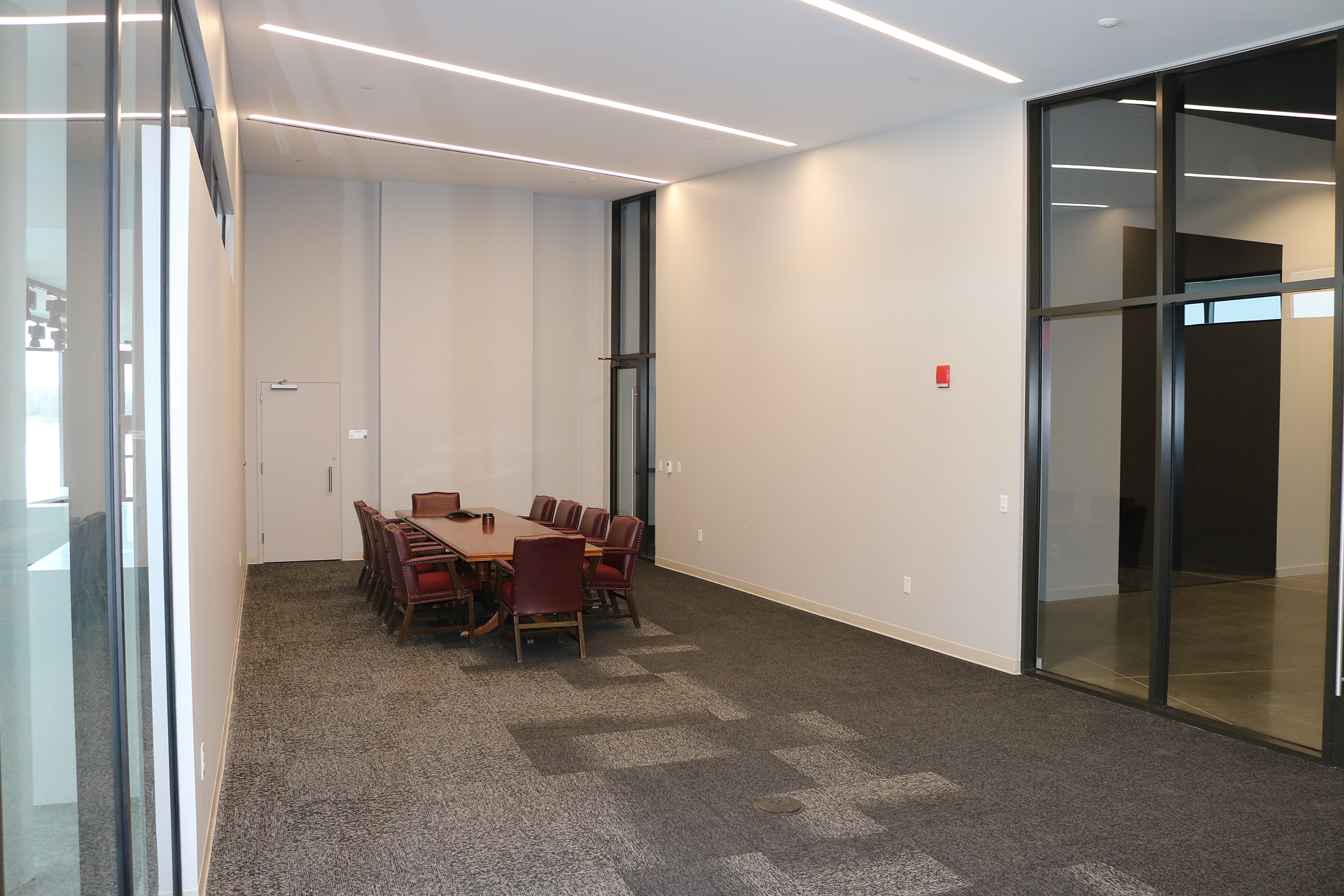
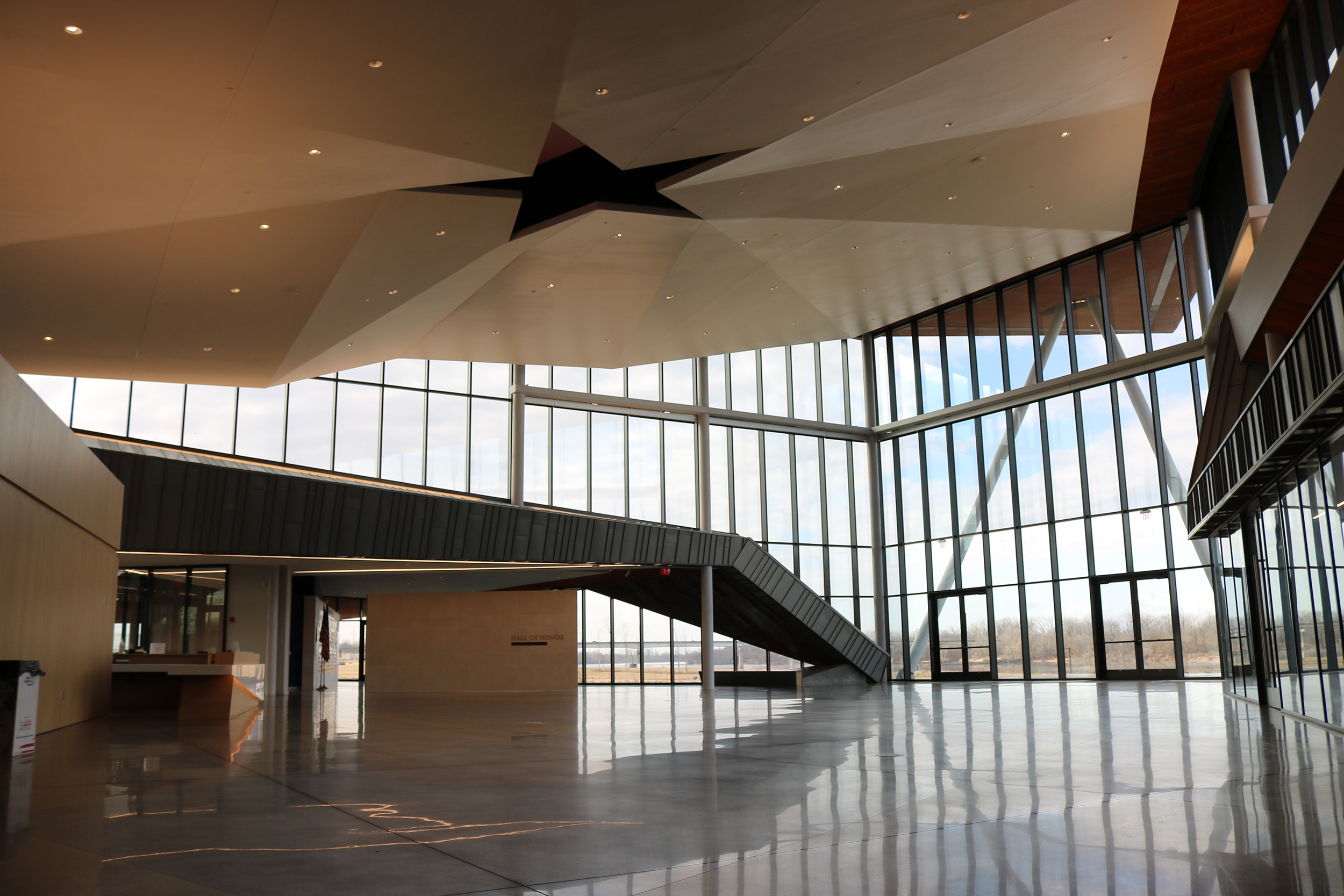
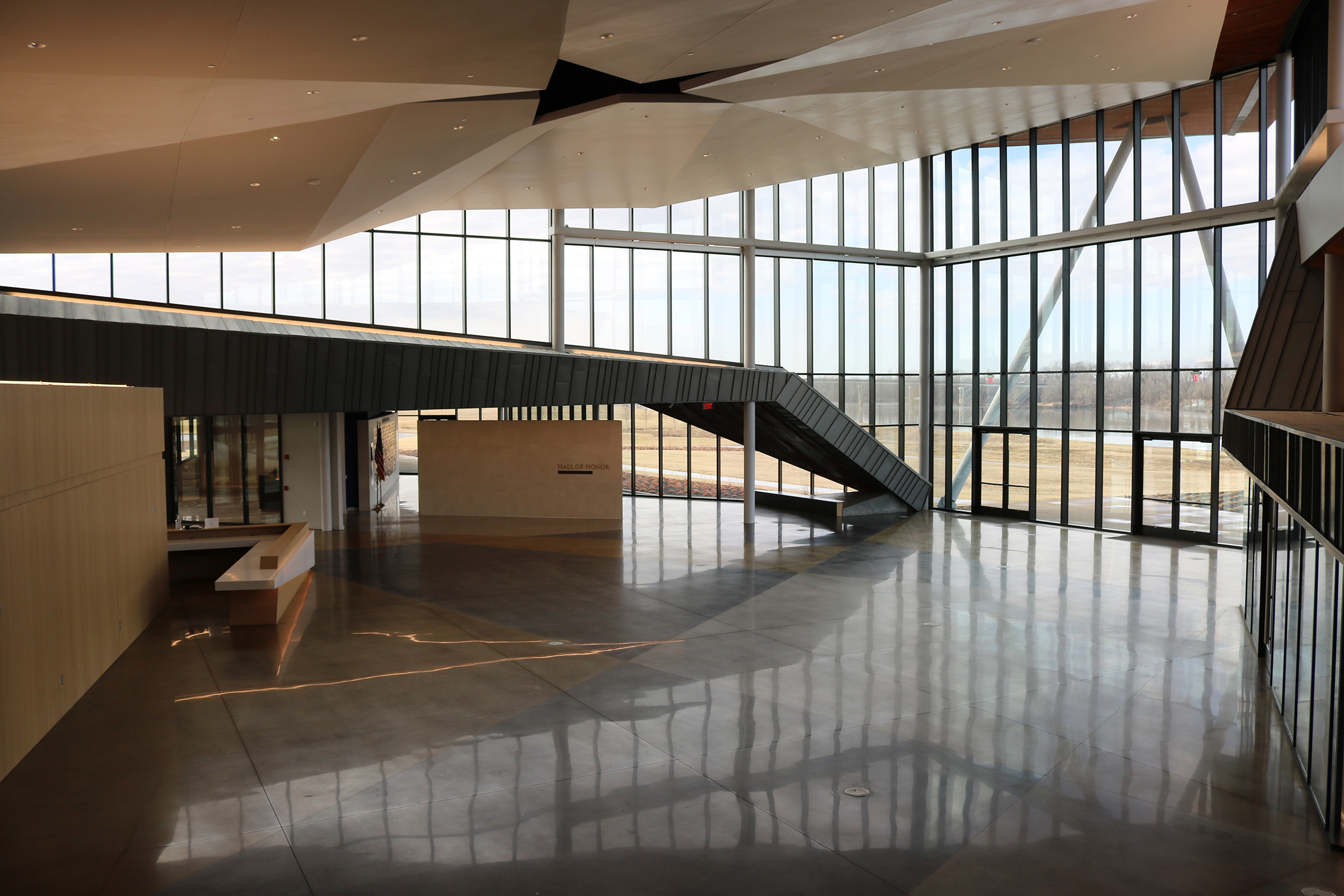
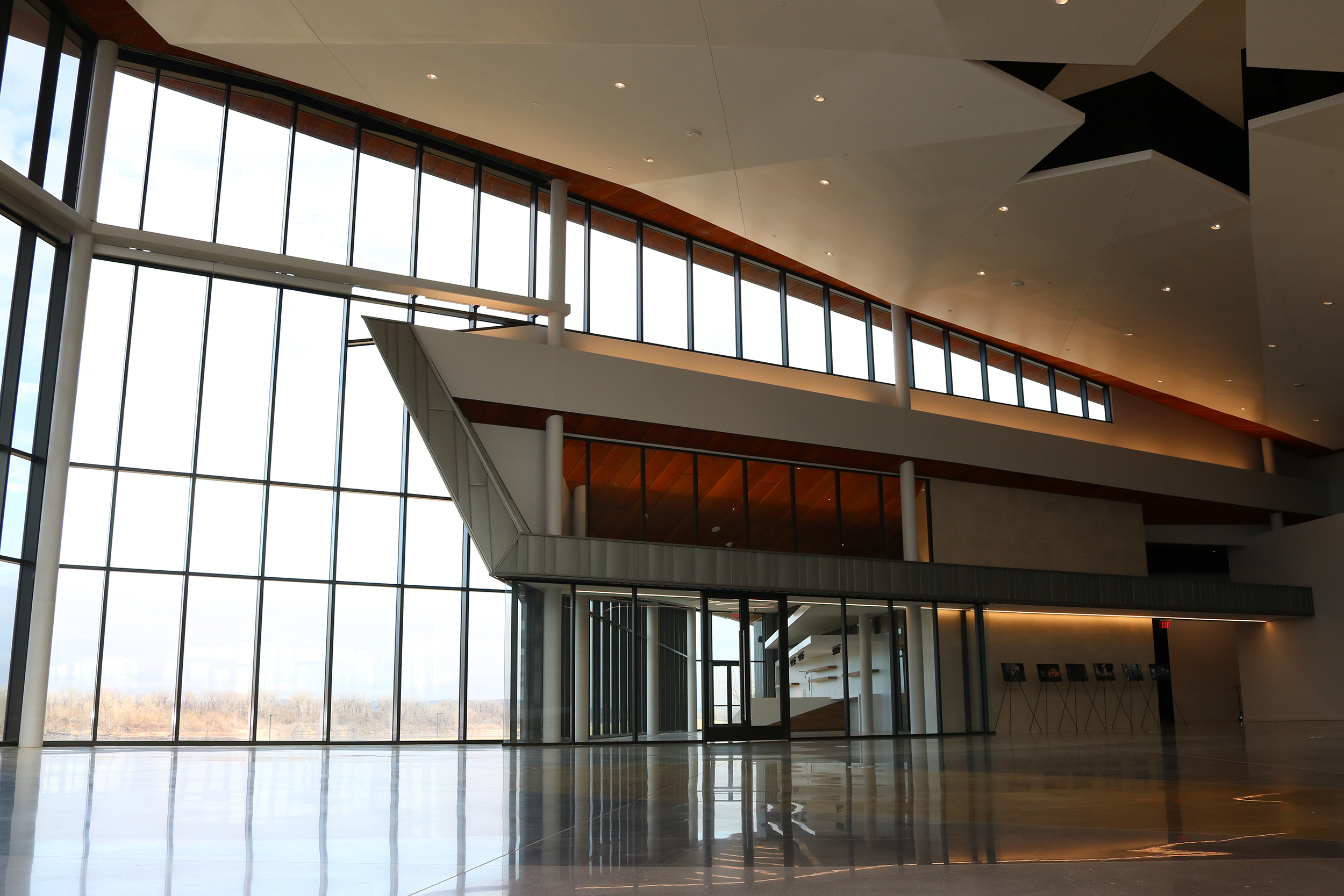
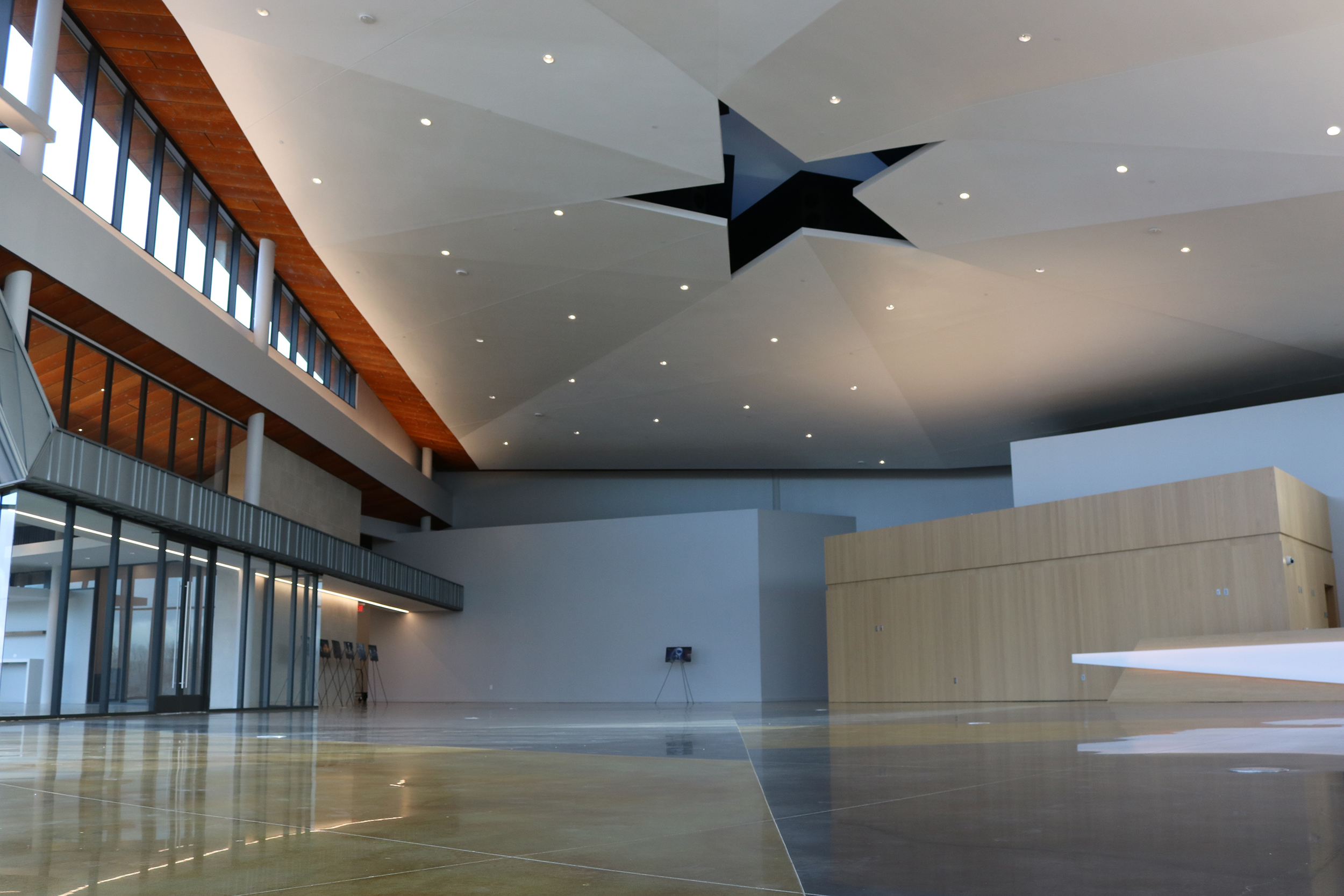
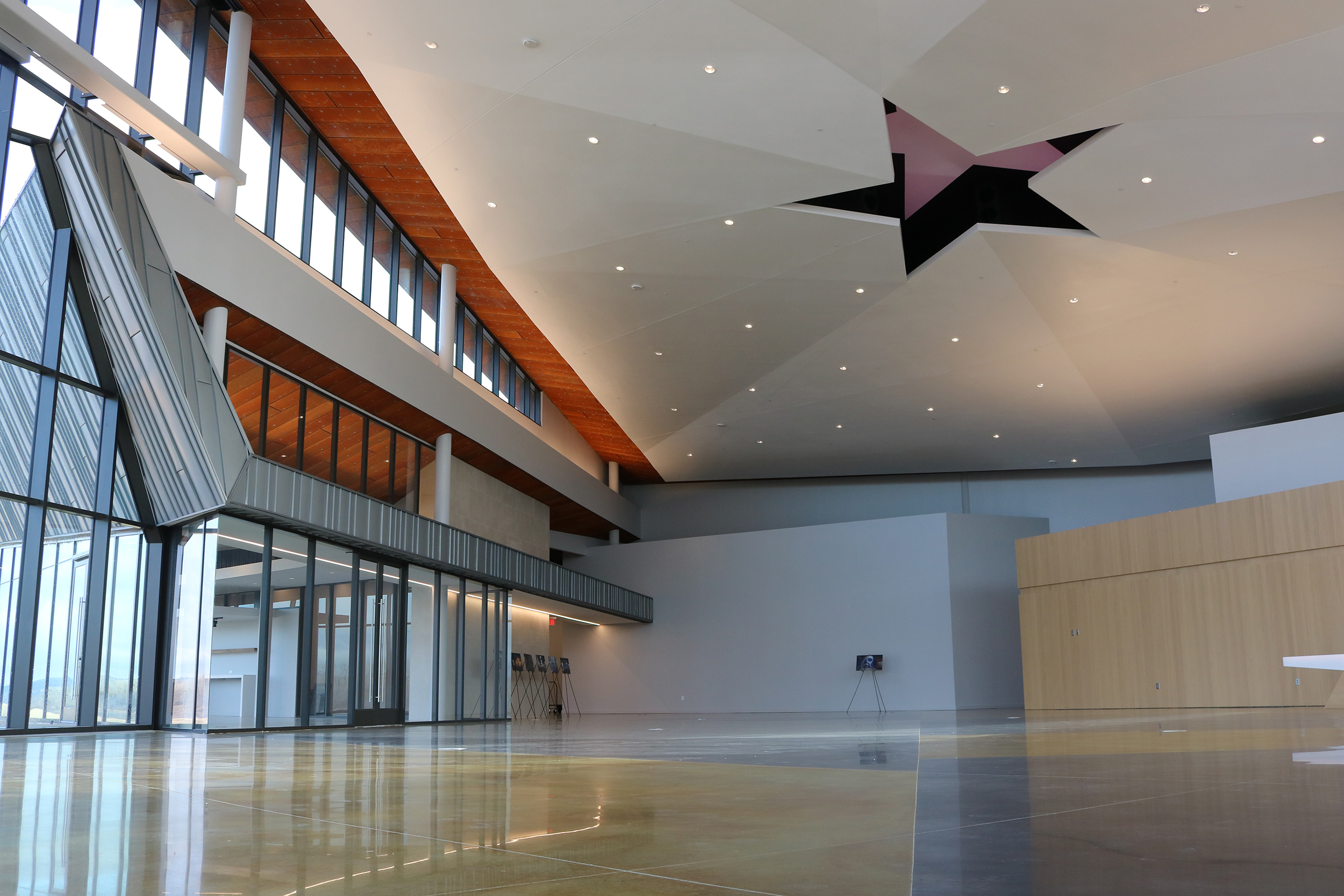
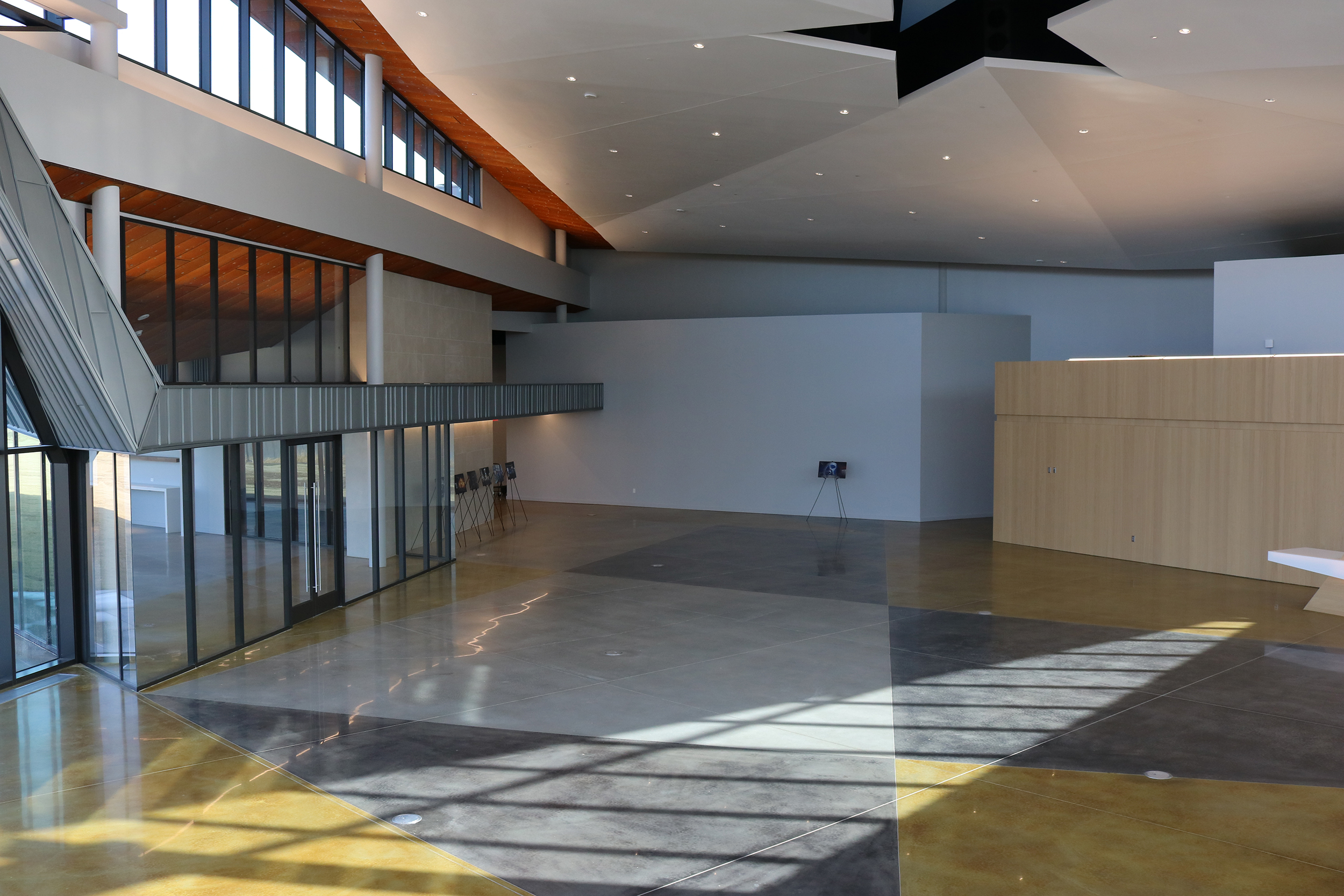
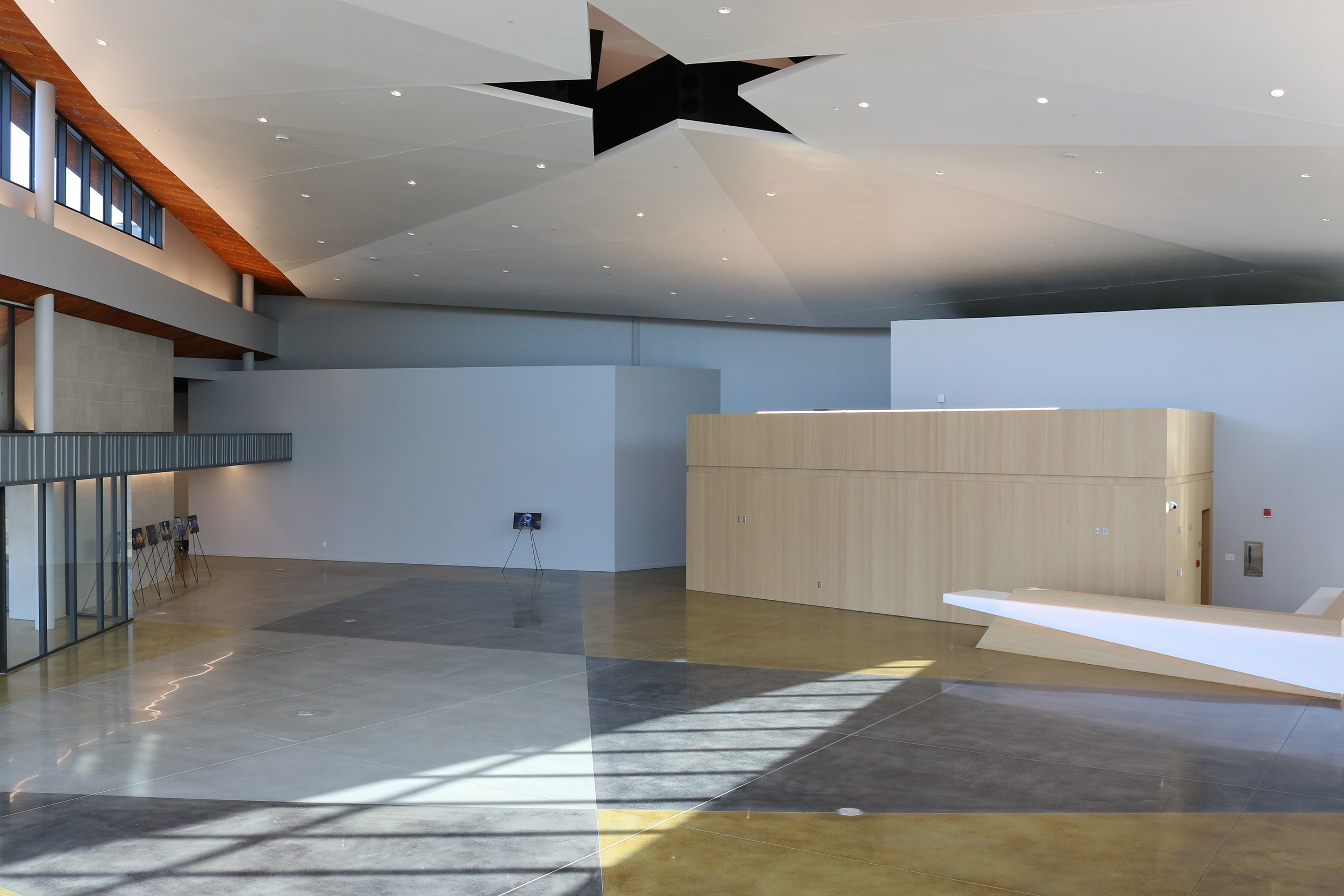
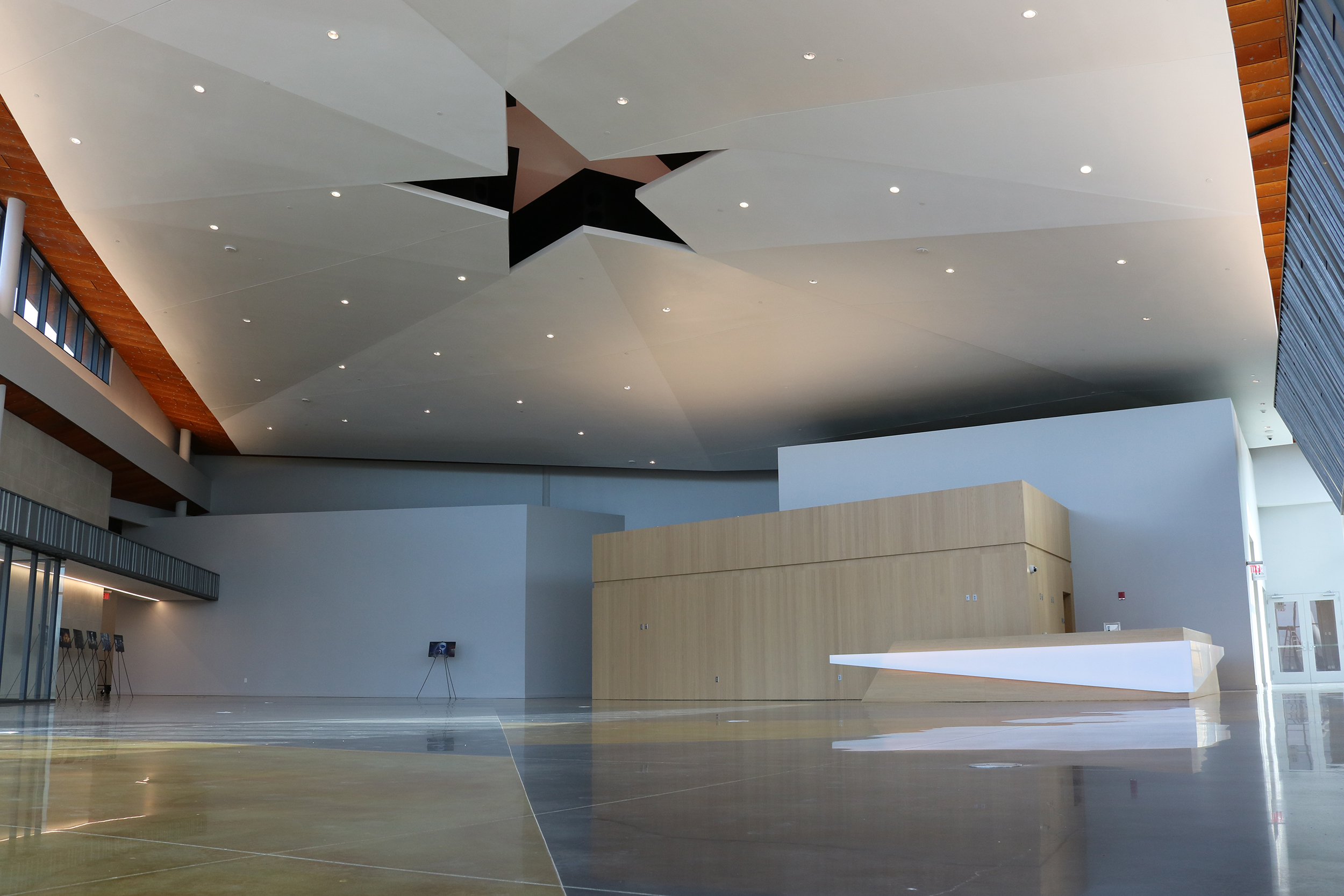
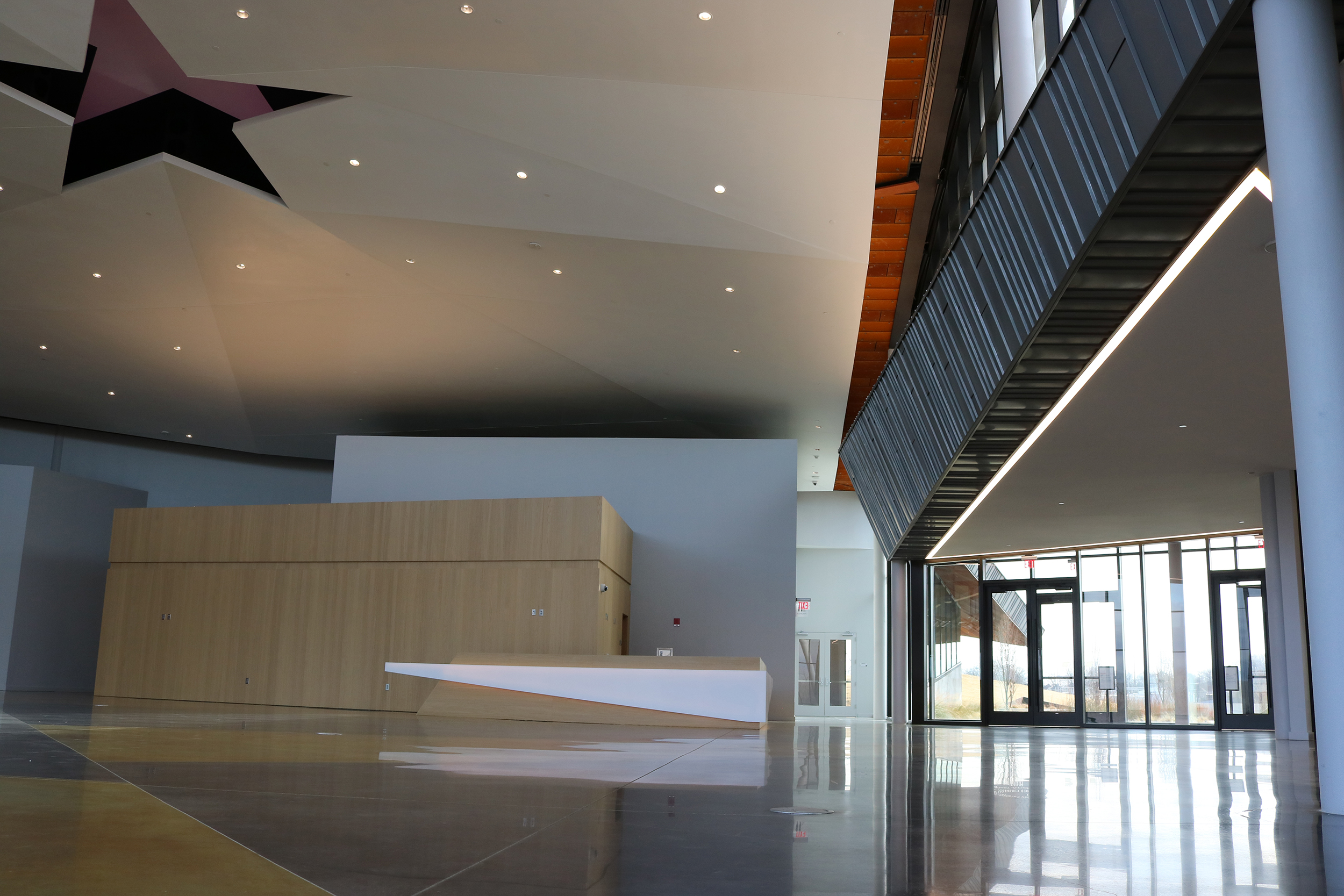
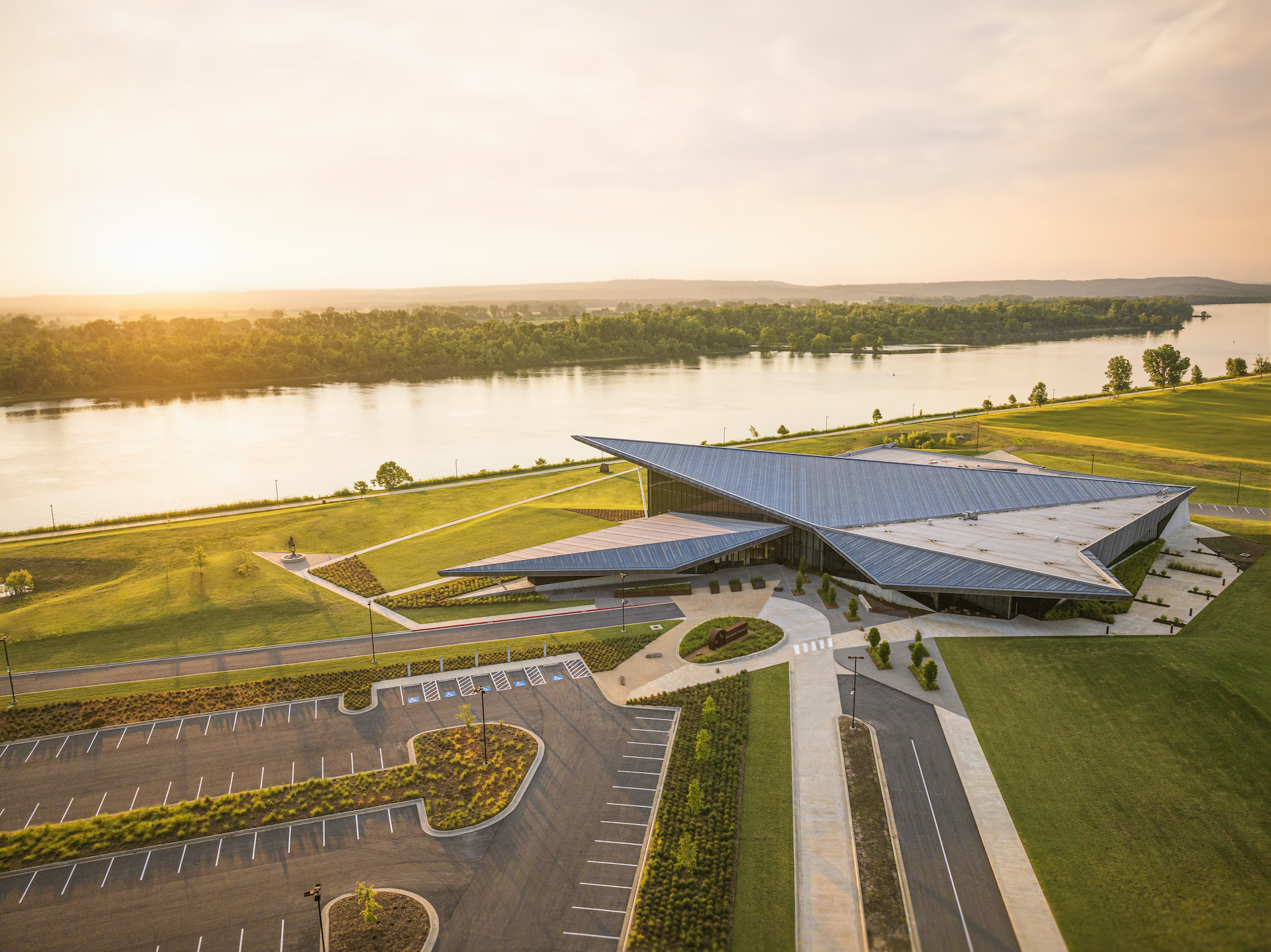
After years of preparation, the US Marshals Museum opened on July 1st,2023. The 53,000 square foot Mary Carleton and Robert A. Young III Building and Samuel M. Sicard Hall of Honor were dedicated on September 24, 2019 along the banks of the Arkansas River in Fort Smith. Featuring an iconic design, the Museum shares the stories of justice, integrity, and service of the Marshals who have bravely served our nation.
Donate. Support. Participate.
Be a part of the adventure! Donate your time and financial support to help share the stories, past and present, of the men and women of the U.S. Marshals Service, ensuring that every story is told, and every life is remembered.
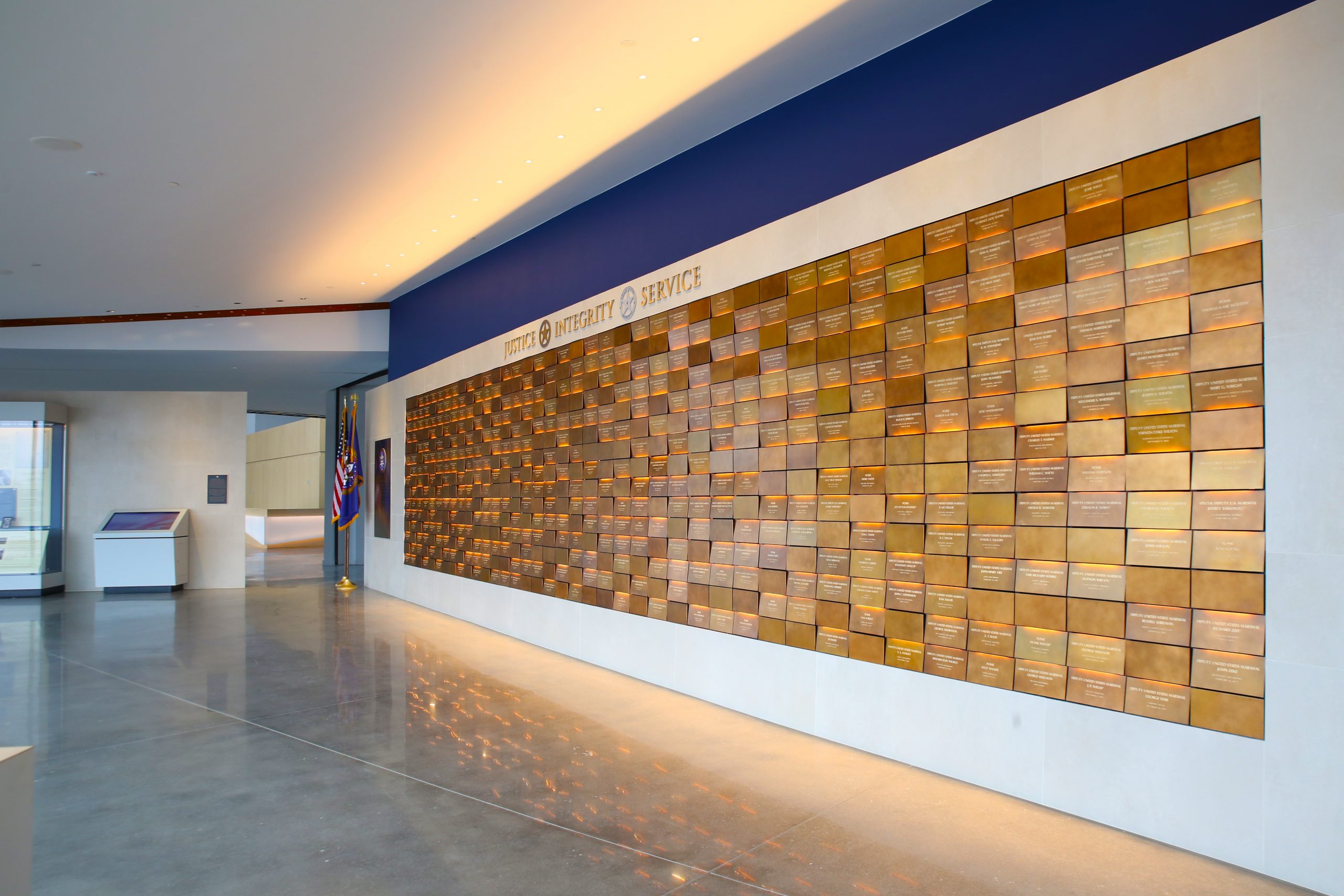
The Experience.
Immersive exhibits. Interactive story-telling. From tales of colonial days, to the western frontier, to challenges of a Marshal’s life today, you’ll encounter an America you never knew and be inspired by the men and women whose service and strength helps hold it all together.
The Outpost
Join the excitement and support the Museum! Shop today for your authentic apparel, coins, lapel pins, and accessories at The Outpost, the online gift shop for the U.S. Marshals Museum.
The Outpost
Join the excitement and support the Museum! Shop today for your authentic apparel, coins, lapel pins, and accessories at The Outpost, the online gift shop for the U.S. Marshals Museum.