September 25th 1789

President George Washington appoints the first U.S. MARSHALS


"Impressed with a conviction that the due administration of justice is the firmest pillar of good Government, I have considered the . . . Judicial department as essential to the happiness of our Country, and to the stability of it's political system."

--George Washington

1850-1861

U.S. Marshals: Enforcing the Law of the Land


Abolitionists and other opponents of slavery and the Fugitive Slave Law willfully and as a matter of conscience violated the law by rescuing fugitive slaves from the custody of U.S. Marshals. The freed slaves were taken to Canada. Northern hatred of slavery and Southern protection of their peculiar institution resulted in Southern session from the Union and national Civil War.

1865-1900

The Westward Expansion


U.S. Marshals were instrumental in keeping law and order in the "Old West" era and involved in apprehending desperadoes such as the Dalton Gang, Bill Doolin, and Ned Christie.

1917-1918

The U.S. Marshals during War War I


When President Woodrow Wilson issued the declaration of war against Germany April 6, 1917, he told the American people that "the supreme test of the nation has come. We must all speak, act, and serve together." While American troops fought in the trenches of Europe, United States Marshals protected the home front against enemy aliens, spies, saboteurs, and slackers.

1920-1927

U.S. Marshals Role During Prohibition


In 1920 the 18th Amendment was ratified, prohibiting the manufacture, sale, and transportation of intoxicating beverages within the United States. U.S. Marshals were the principal enforcing agents of the Prohibition laws until the Treasury Department created the Bureau of Prohibition in 1927.

1960-1965

U.S. Marshals enforcing & ensuring civil rights


U.S. Marshals provided security to enforce federal laws and orders to ensure civil rights. After riots erupted over James Meredith's enrollment at Ole Miss in 1962, teams of deputies protected him 24 hours a day for an entire year. In a similar circumstance, Ruby Bridges was also provided U.S. Marshals protection when she was one of the first students to integrate the New Orleans public schools.

1971

Witness Security Program


The U.S. Marshals Service provides for the security, health and safety of government witnesses, and their immediate dependents, whose lives are in danger as a result of their testimony against drug traffickers, terrorists, organized crime members and other major criminals.

The Witness Security Program was authorized by the Organized Crime Control Act of 1970 and amended by the Comprehensive Crime Control Act of 1984. The U.S. Marshals have protected, relocated and given new identities to more than 8,200 witnesses and 9,800 of their family members, since the program began in 1971.

1982

Panama Canal Zone


The passing of an era for the Marshals Service occurred on March 31, 1982 when the U.S. Marshal for the District of the Canal Zone closed the door to his office for the last time.  The closing of the U.S. Marshal’s office was a result of the termination of the U.S. District Court in Panama.  U.S. District Judge Morey L. Sear presided over the closing ceremony.
 

1989

Official U.S. Law Enforcement entity in Antarctica


Antarctica became the jurisdiction of the USMS in 1989.  At that time, there was no law enforcement presence on the American section of the continent.  Working with the U.S. Marshal of Hawai’i, two National Science Foundation station managers trained at the U.S. Marshals Service facility in Glynco, VA, before becoming special deputies.


2005-Present

Operation FALCON (“Federal And Local Cops Organized Nationally”)


Operation FALCON is a nationwide fugitive apprehension operation coordinated by the United States Marshals Service (USMS). The resources of federal, state, city and county law enforcement agencies are combined to locate and apprehend criminals wanted for crimes of violence.

Home

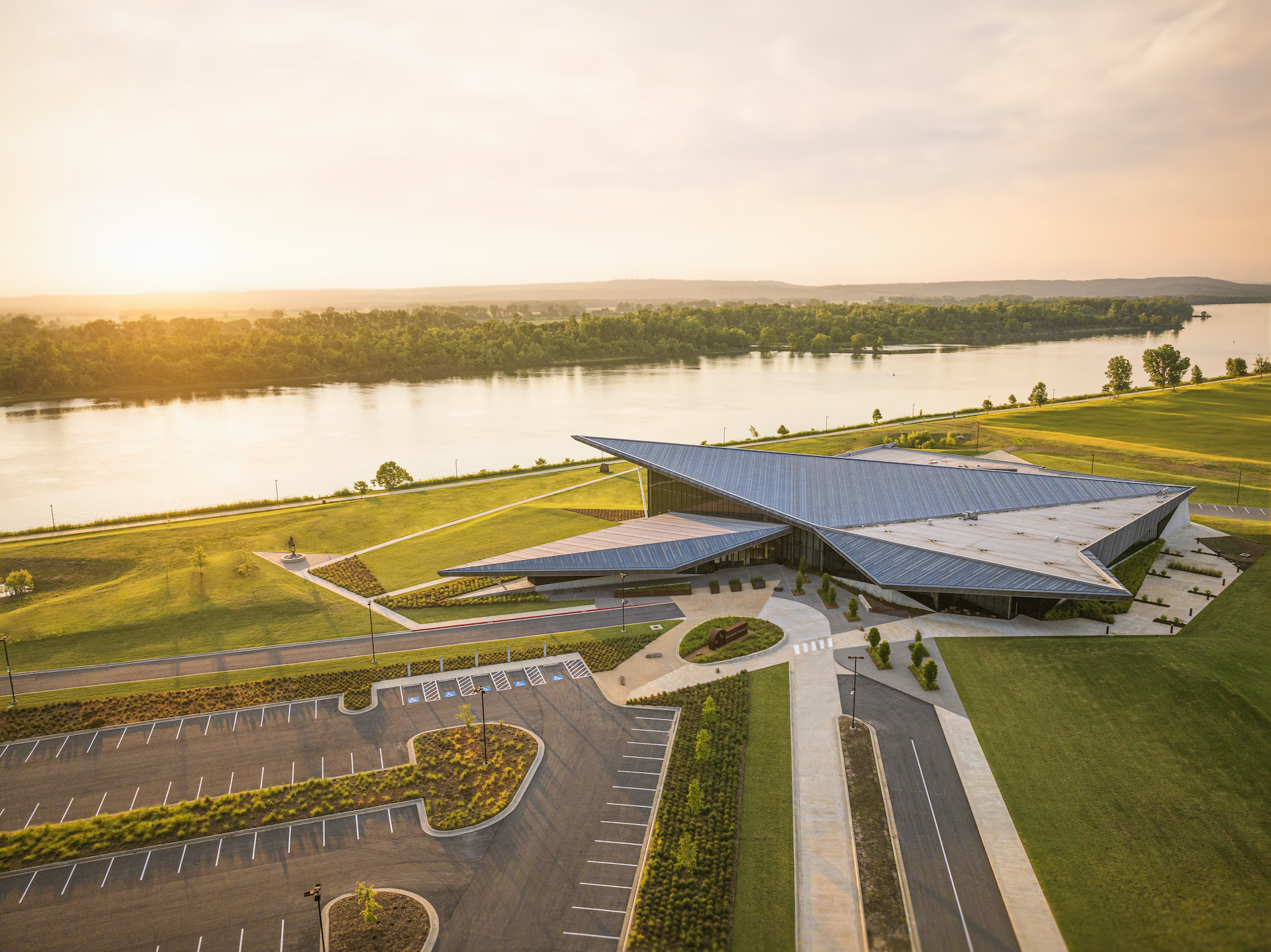
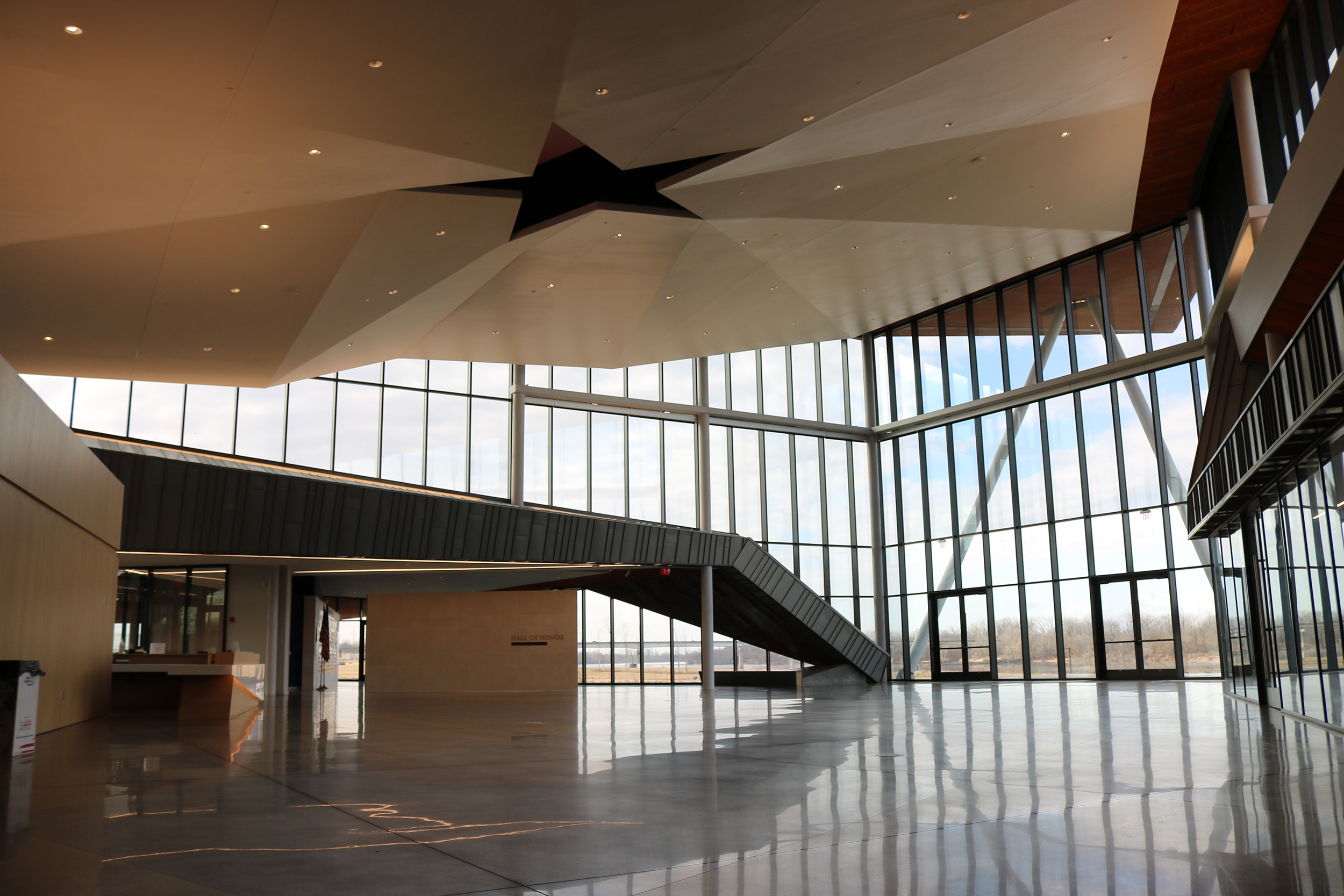
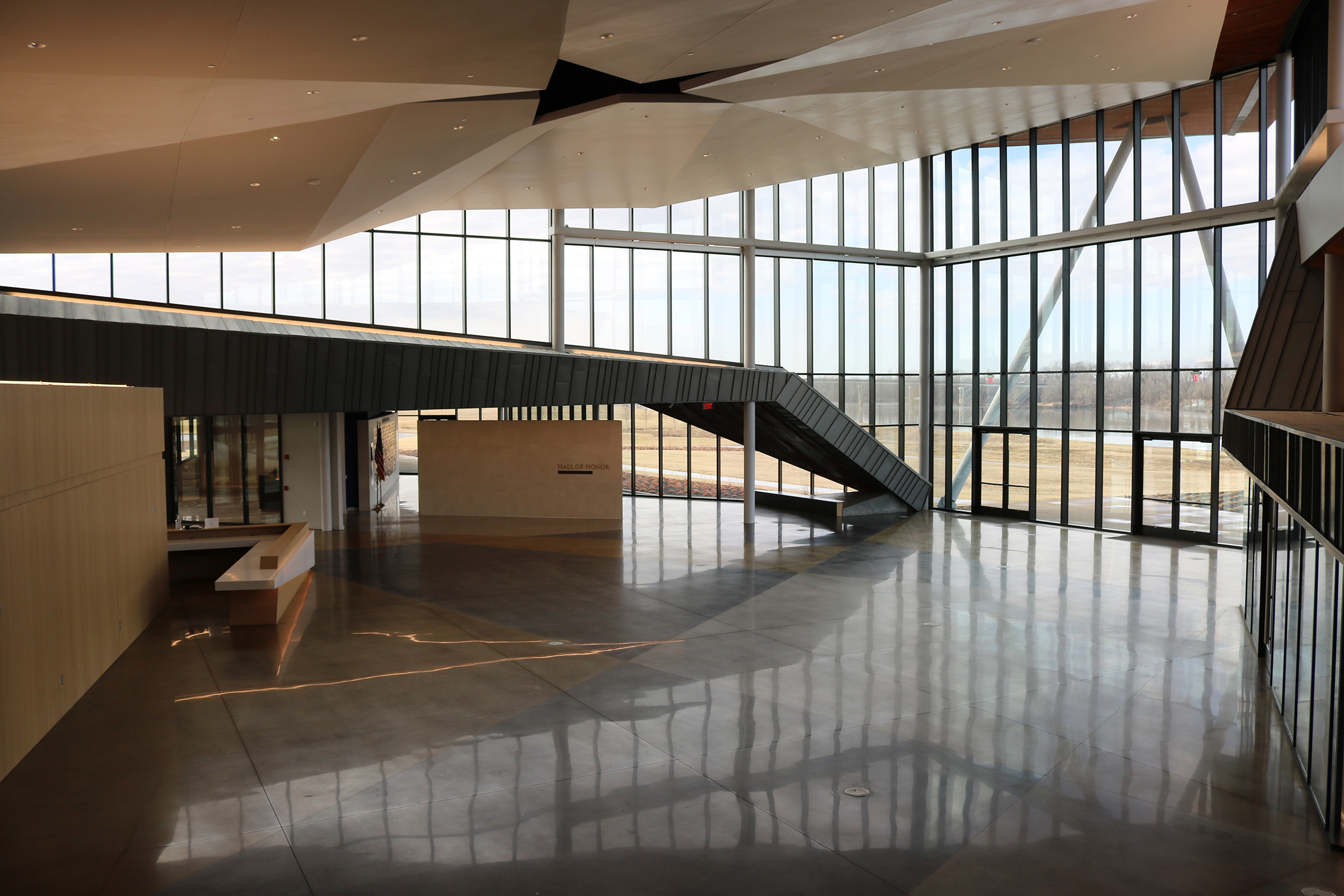
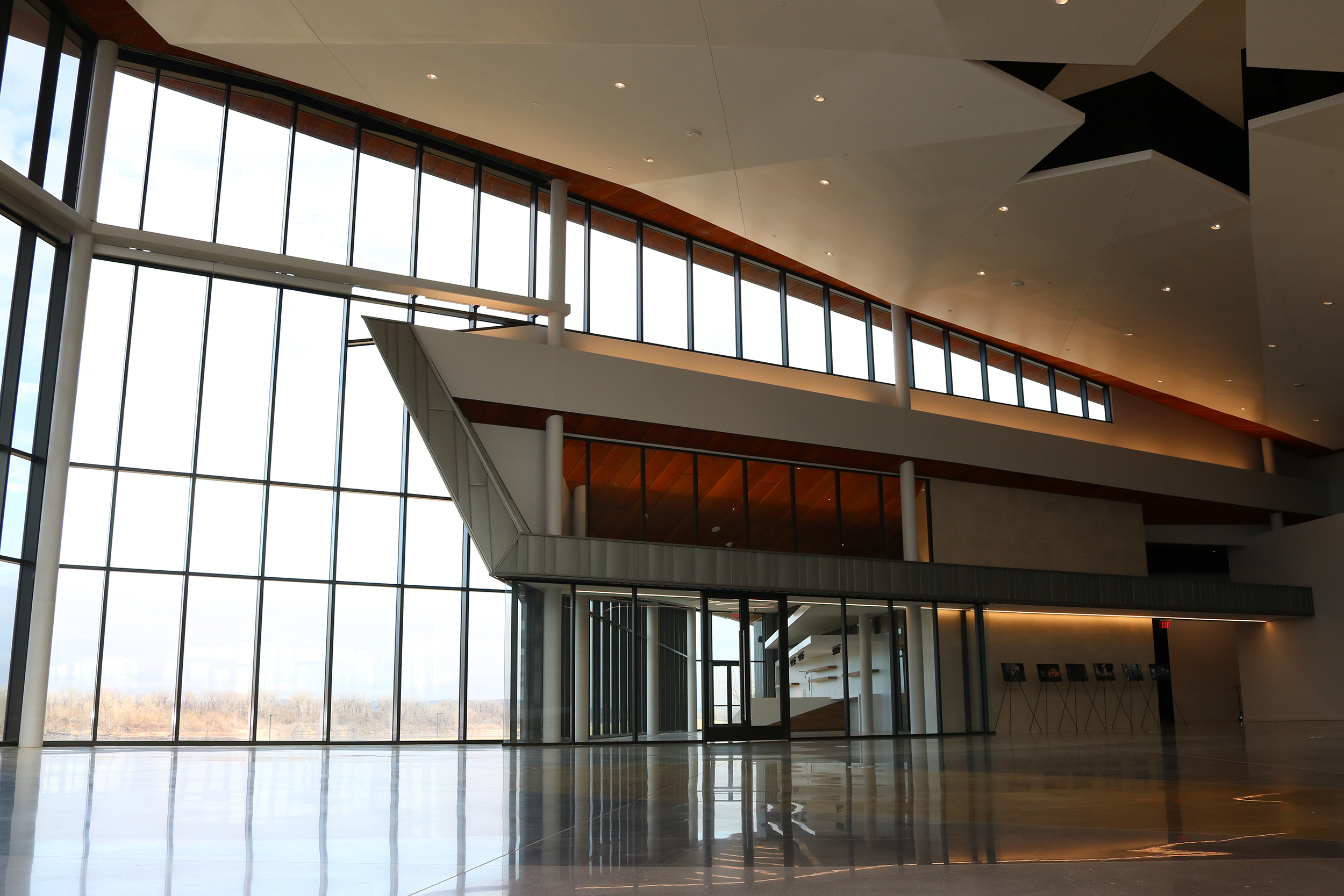
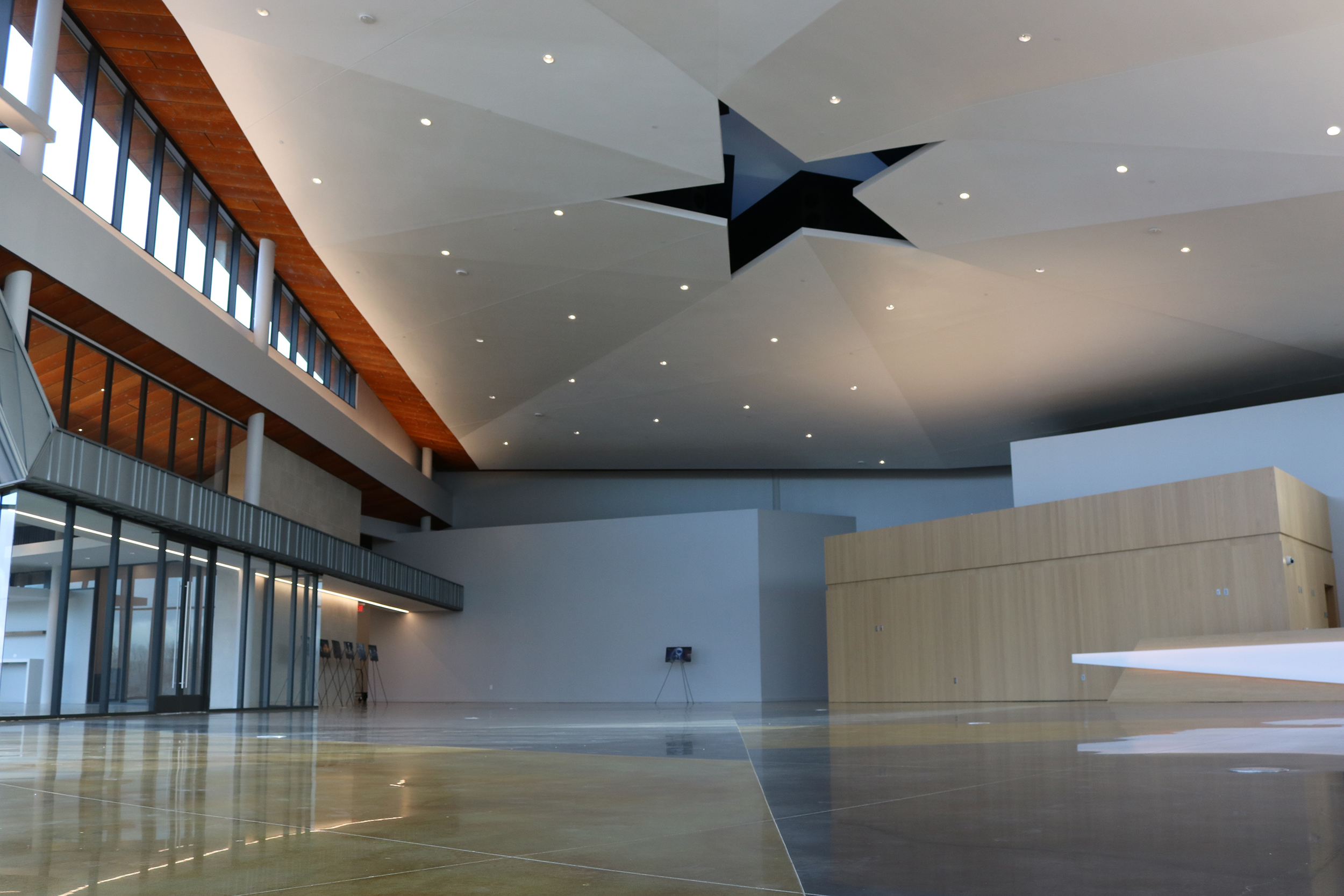
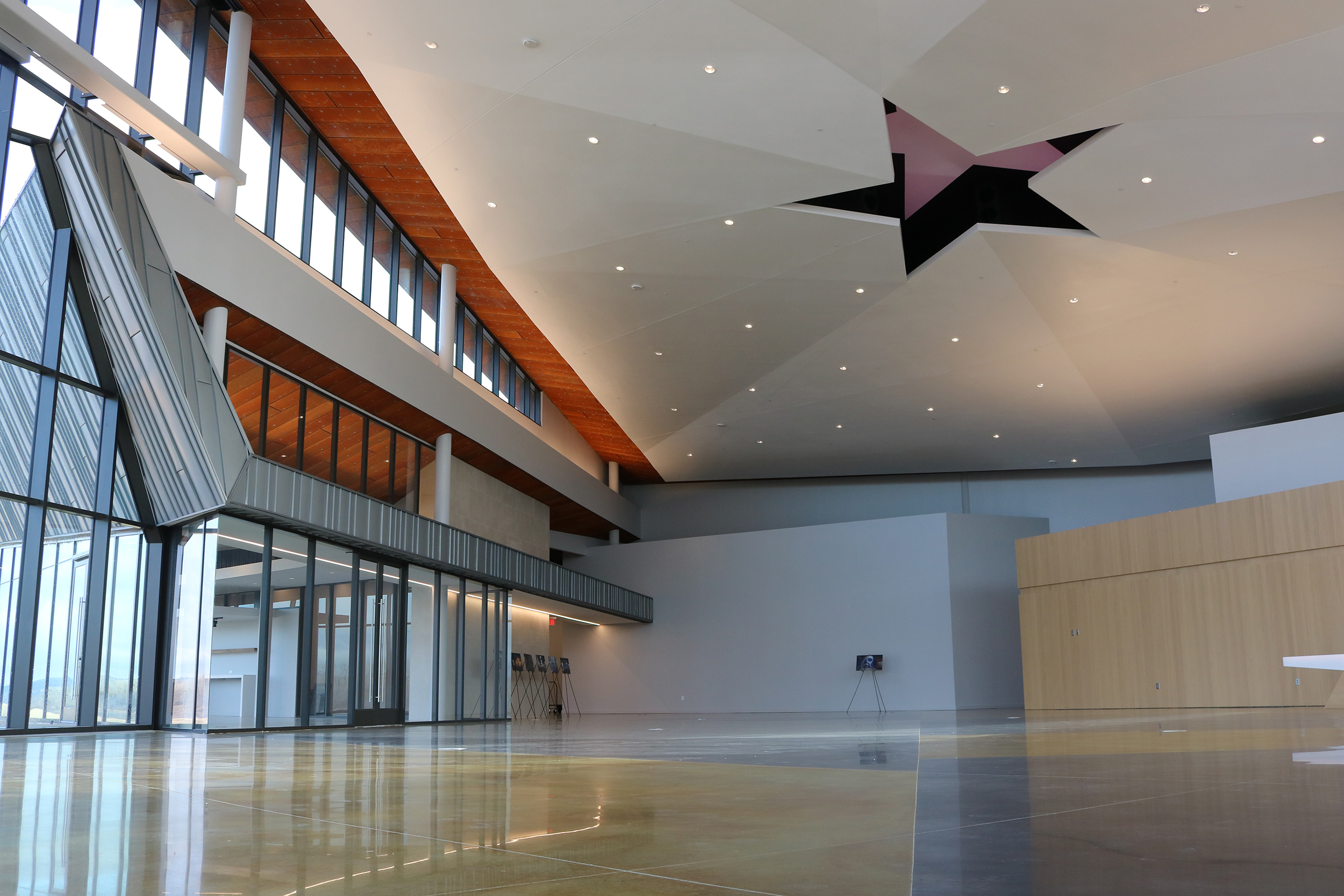
The mission of the U.S. Marshals Museum, Inc. is to form a national center of heritage and legacy, disseminate knowledge and inspire appreciation for the accomplishments of the U. S. Marshals Service.

Bill Clinton & Mike Beebe

Former President Bill Clinton stands with Arkansas Governor Mike Beebe at a reception for the U.S. Marshals Museum on December 18, 2009 at the Arkansas Governor's Mansion.